

Is Tata Sumo Making a Comeback in 2026 Quick Overview
As of mid-2026, Tata Motors has not officially announced or confirmed a comeback for the Tata Sumo. While social media, YouTube conceptual videos, and AI-generated design renders frequently claim a “2026 Tata Sumo Reborn” or a “₹7 Lakh Mini-Defender Launch,” these remain strictly speculative fan concepts. The original Tata Sumo was discontinued in 2019 due to its inability to clear strict AIS 145 crash safety and BS6 emission regulations. Tata Motors’ actual 2026 roadmap is focused heavily on its born-electric EV pipeline, including the imminent launch of the Tata Sierra EV, Safari EV, and production models built on the advanced Acti.ev and Avinya architectures.
Separating the Hype from Reality: Is the Iconic Tata Sumo Set for a Relaunch?
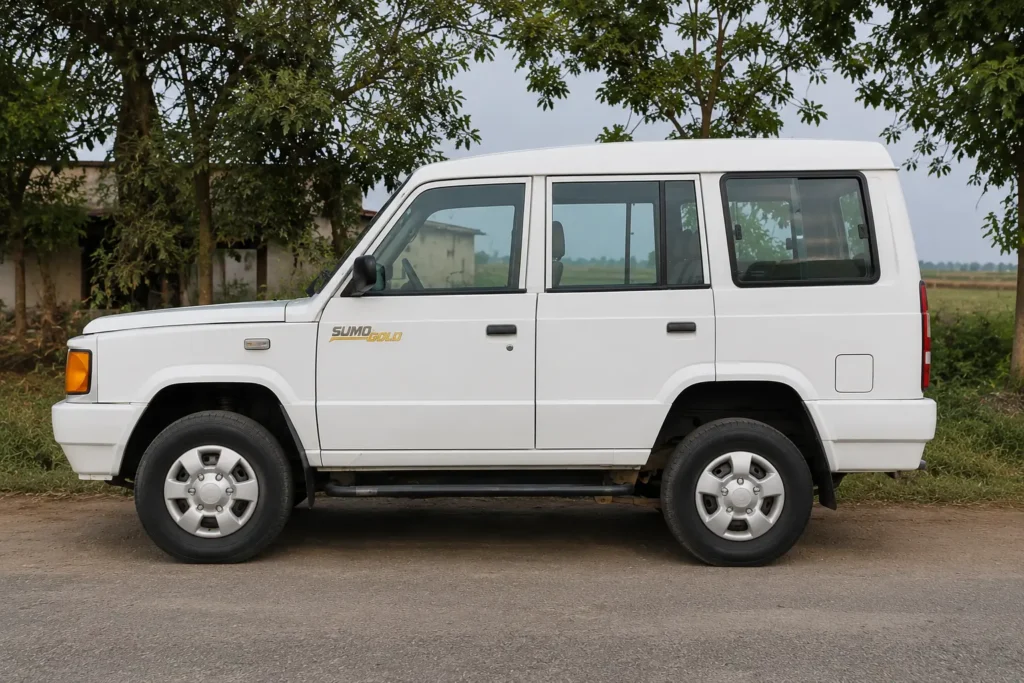
For nearly twenty-five years, the Tata Sumo served as an unbreakable, highly utilitarian cornerstone of the Indian automotive sector. Its blocky, box-on-frame design sheet, cavernous 9-seater side-bench configuration, and high-clearance mechanical ruggedness made it the undisputed champion of rural transportation, fleet logistics, and mountain touring loops. However, tightening government regulations surrounding passenger safety frames and tailpipe particulate levels brought its production run to a final halt in late 2019.
Lately, automotive forums and social media channels have been flooded with claims that the Sumo is preparing to reclaim its crown with a radical, modern makeover. These rumors hint at a neo-retro design sheet, premium electronic layouts, and prices that seem too good to be true. Let’s separate digital fiction from strict industrial manufacturing reality by examining what a modern-day Sumo would actually require, why the internet keeps chasing this icon, and where Tata Motors is actually spending its research and development budget.
1. Deconstructing the Internet Rumor Mill
The recent wave of online speculation follows a highly predictable pattern, combining sensationalized engineering claims with fictional pricing.
Common Internet Claims vs. Real-World Constraints:
| The Online Rumor / Claim | The Reality & Engineering Context |
| “Launched at an entry price of ₹4.99L to ₹7 Lakh” | Fiction. A modern 3-row vehicle cannot clear current safety regulations or input material costs at this price bracket. Even the sub-4 meter Tata Punch compact starts higher. |
| “Delivers an absurd 35 km/l mileage” | Fiction. No non-hybrid, heavy-duty utility internal combustion engine can achieve this layout. True mileage for a vehicle this size typically tracks around 11 to 15 km/l. |
| “Aggressive Land Rover Defender Visual Design” | Conceptual. The images circulating online are independent AI-generated renders or design concept studies from digital artists—not official factory design mockups. |
2. Why the Tata Sumo Was Discontinued (The Regulatory Wall)
The old-school Sumo Gold and its ancestors vanished from showrooms not due to a lack of buyer demand, but because it reached the absolute limit of its aging mechanical platform. To bring the nameplate back today, Tata Motors would have to re-engineer the platform completely from scratch to clear strict regulatory baselines:
AIS 145 Safety Mandates: The classic Sumo relied on a rigid, heavy steel body-on-frame setup completely lacking engineered crumple zones. Modern vehicle codes strictly require standard dual or 6 airbags, pedestrian protection bumpers, dynamic Electronic Stability Program (ESP), and impact-absorbing structures.
Real Driving Emissions (RDE / BS6 Phase 2): The legendary, high-torque 3.0-litre CR4 and 2.0L diesel engines were heavy polluters. Meeting modern emission targets requires highly complex, expensive exhaust scrubbing systems like Selective Catalytic Reduction (SCR) with AdBlue fluid arrays.
Monocoque Transition Requirements: To build a civil, comfortable vehicle today, Tata would need to ditch leaf-spring commercial suspensions (which caused a famously bouncy ride layout at high speeds) and adapt the car onto a modern passenger unibody platform.
3. Tata Motors’ Actual Strategic Roadmap
Tata Motors is heavily focused on executing its official product blueprint, which prioritizes advanced passenger safety, alternate fuel architectures, and premium electric vehicles.
Rather than looking backward to old commercial platforms, Tata is actively developing these legitimate projects:
The Tata Sierra EV: This is the genuine neo-retro legend making a comeback. Reviving the iconic panoramic rear-glass lifestyle silhouette of the 1990s, the Sierra EV is built on a modern passenger EV platform and is scheduled for its official public unveiling and launch cycle.
The Premium EV Wave: Tata is rolling out dedicated electric iterations of its top-flight flagship models, focusing on the upcoming Safari EV and Harrier EV, alongside long-range updates to the best-selling Nexon and Punch EV portfolios.
The Avinya Platform: Looking past immediate models, deep engineering resources are focused on launching the global Gen-3 “Avinya” skateboard architecture, built on an ultra-premium, zero-emission software blueprint.
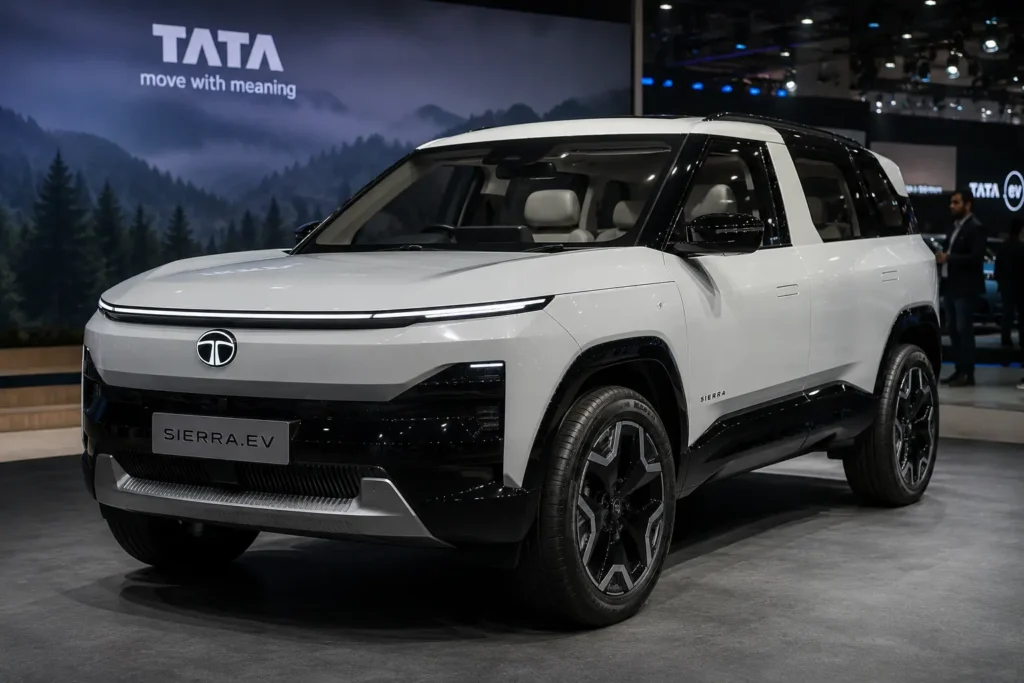
4. What If? How a Genuine 2026 Tata Sumo Would Look
If Tata Motors ever decided to pull a surprise move and leverage the incredible emotional equity of the Sumo badge to challenge the dominance of vehicles like the Mahindra Bolero or Scorpio Classic, it would look vastly different from the online clickbait.
Anticipated Blueprint for a Legitimate Modern Sumo:
The Chassis Setup: It would likely drop old commercial frames to adopt a cost-optimized variation of the OMEGARC architecture (derived from Land Rover’s D8 platform, currently utilized by the Harrier and Safari) or a stretched, ruggedized version of the ALFA platform.
The Powertrain: To pull heavy family loads efficiently, it would deploy the proven 2.0-litre Kryotec turbo-diesel engine (scaled down to a lower state of tune like 130 hp / 300 Nm to protect value boundaries) paired strictly with a heavy-duty 6-speed manual transmission.
The Interior Workspace: The cabin would focus on rugged, wash-down durability over fragile luxury gloss panels. It would feature a functional 7-to-9 seater layout with standard front-facing rows, manual air conditioning paired with roof-mounted vents, and a basic 7-inch connected media screen.

Final Verdict: Don’t Wait for the Rumor, Look at the Current Lineup
While the idea of a modernized, “Mini-Defender” Tata Sumo is an exciting concept for automotive enthusiasts, it remains confined to the realm of internet speculation. Tata Motors has shown no official industrial intent to revive the nameplate, choosing instead to focus its production capacity on the upcoming Sierra EV, Curvv, and its dominant electric SUV lineup.
If you love the iconic, commanding road presence and the unbreakable utility that the old Sumo provided, you don’t need to pin your hopes on unconfirmed internet rumors. Legitimate, rugged, and highly dependable alternatives are actively dominating the market today. For an old-school, indestructible body-on-frame workhorse, the Mahindra Scorpio Classic or the Toyota Innova Crysta continue to rule the highways. If your priority leans toward highly accessible, modern 7-seater space and unbeatable running costs on a tighter home budget, the Maruti Suzuki Ertiga or the commercial-spec Tour M serve as excellent, highly practical options for your garage.
Helpful Resources for Indian Car Buyers
- Bharat NCAP Official Website — India’s official crash-testing and vehicle safety rating platform. Includes adult and child occupant scores, crash-test protocols, and tested vehicle lists.
- Global NCAP – Safer Cars for India — Global crash-test program that pushed Indian manufacturers toward safer vehicle structures and occupant protection standards.
- Reserve Bank of India (RBI) — Official source for repo rates, lending rules, and banking regulations in India. (rbi.org.in)
- TransUnion CIBIL — Check your credit score and track your loan eligibility before applying for a car loan.
- AutomotiveZone Mileage Cost Calculator — Estimate real fuel costs based on your driving mileage.
- AutomotiveZone Monthly Car Expense Calculator — Calculate total monthly car ownership cost including EMI, fuel, and maintenance.
- AutomotiveZone Fuel Cost Calculator — Instantly estimate petrol, diesel, or CNG expenses based on mileage, fuel price, and trip distance.
- AutomotiveZone EV vs Petrol Cost Calculator — Compare electric vehicle charging costs with petrol fuel expenses to see long-term savings.
- AutomotiveZone EV Charging Cost Calculator — Calculate home and fast-charging electricity costs for your EV using battery size and electricity tariff.
- AutomotiveZone Car Resale Value Estimator — Estimate your car’s current market resale value based on age, mileage, ownership, and condition.
Disclaimer: Prices, mileage, safety ratings, loan rates, and ownership costs are approximate and may vary by location, variant, and market conditions in 2026. Some visuals may be AI-generated for illustration. Please verify final details with authorized dealers before purchase.