

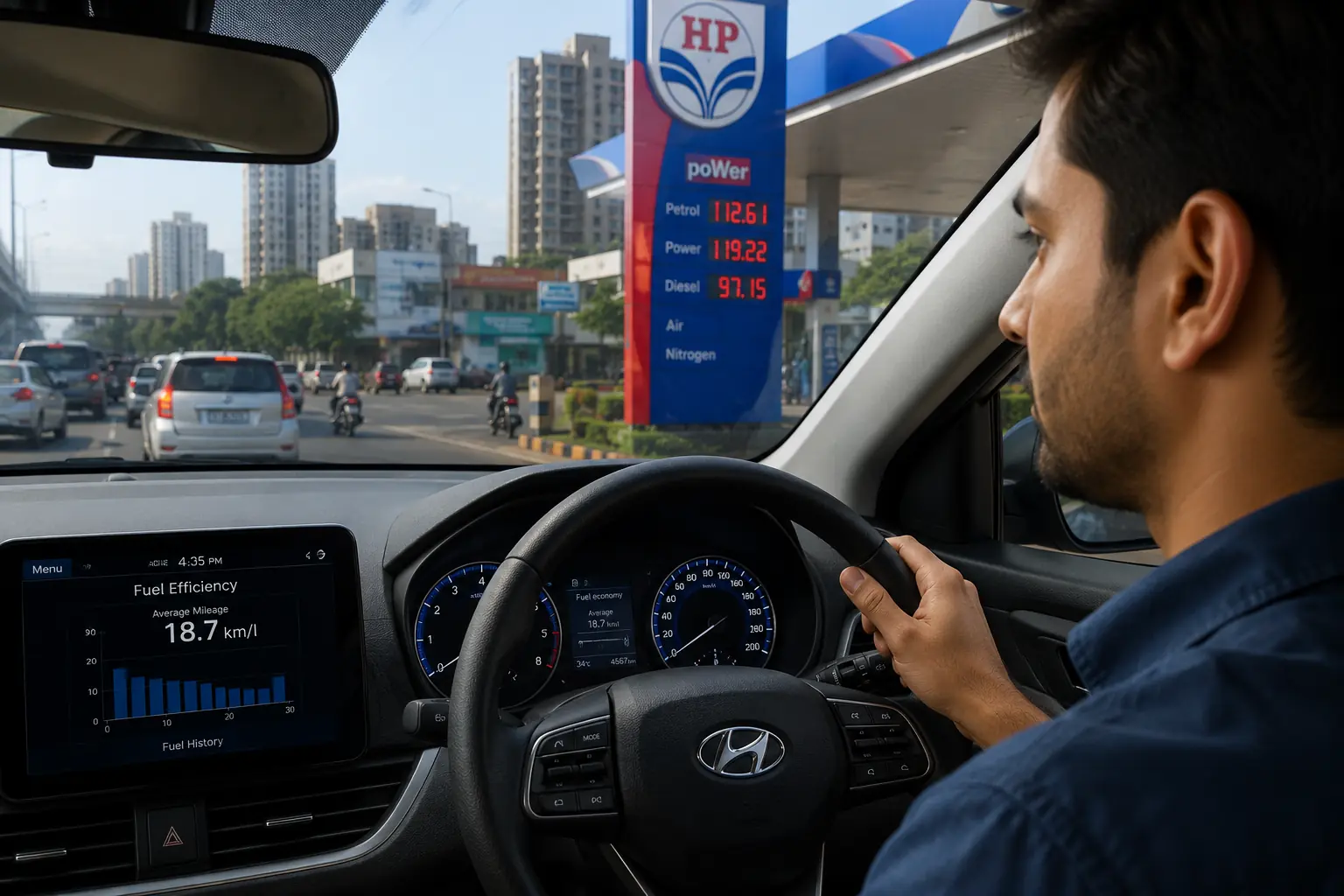
The Real Secret to Better Mileage (In Short)
You can improve your car’s fuel efficiency by up to 20% through smoother driving, proper tire pressure, regular servicing, and avoiding unnecessary idling. In Indian traffic conditions, simple habits like maintaining steady speeds between 60–80 km/h and planning routes carefully can significantly reduce monthly fuel expenses.
7 Proven Tips to Increase Your Car Fuel Efficiency by 20%
With petrol and diesel prices staying painfully high in India, every extra kilometer per liter matters. The good news? You don’t need to buy a hybrid or electric vehicle to save money on fuel.
In most Indian cities, driving habits and vehicle maintenance affect mileage far more than people realize.
Many drivers also misunderstand why their real-world mileage differs so much from the company-claimed figures. Understanding the gap between certified and actual mileage helps set realistic fuel cost expectations. Read our detailed guide on ARAI mileage vs real mileage in India.
Small changes—like smoother acceleration, proper tire pressure, and avoiding unnecessary idling—can noticeably reduce your monthly fuel bill.
Why Fuel Efficiency Matters More Than Ever
Improving fuel efficiency is one of the easiest ways to reduce monthly commuting costs in India. Even a small mileage improvement can save thousands of rupees every year.
Why Better Mileage Matters
- Lower monthly fuel expenses
- Reduced engine stress
- Better long-term maintenance costs
- Lower carbon emissions
- Higher resale value due to healthier engine condition
Real Savings Potential
For many Indian drivers:
- 10–20% mileage improvement can save ₹15,000–₹25,000 yearly
- Daily commuters benefit the most
- City drivers usually waste more fuel than highway drivers
Maintain Proper Tire Pressure
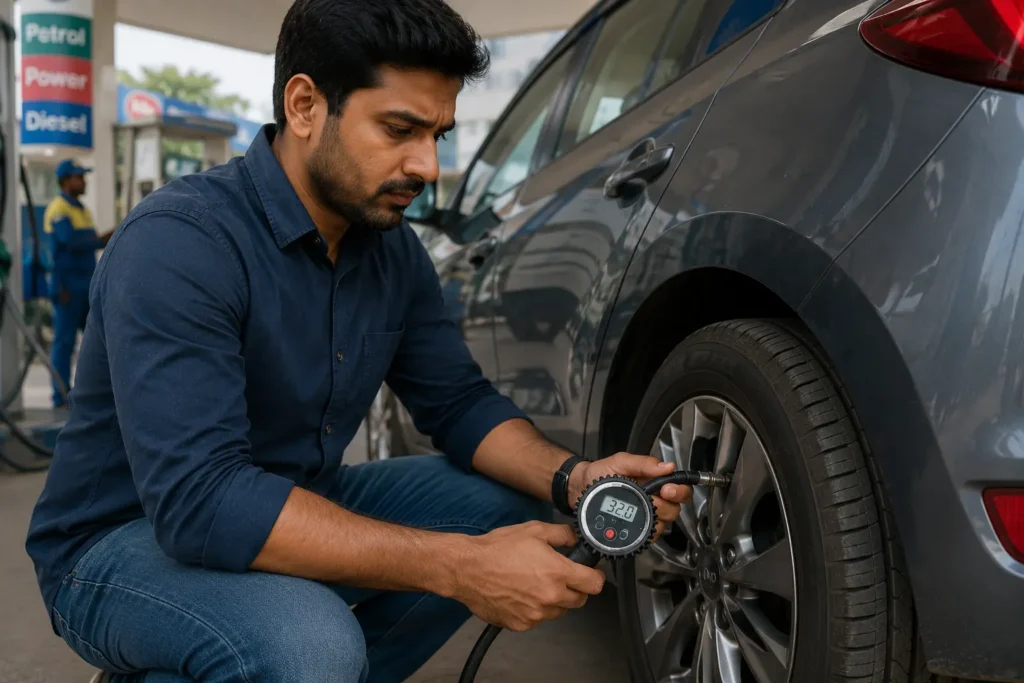
Underinflated tires increase rolling resistance, forcing the engine to work harder and consume more fuel.
Keeping tires properly inflated can improve mileage by 3–5%.
Why Tire Pressure Affects Mileage
Soft tires create:
- More friction with the road
- Higher fuel consumption
- Uneven tire wear
- Reduced handling performance
Smart Tire Habits
- Check tire pressure weekly
- Follow manufacturer PSI recommendations
- Inspect pressure before long drives
- Refill air when temperatures change significantly
Practical Example
Driving with low tire pressure is similar to cycling on soft tires—you use more energy to move the same distance.
Avoid Aggressive Driving and Sudden Braking
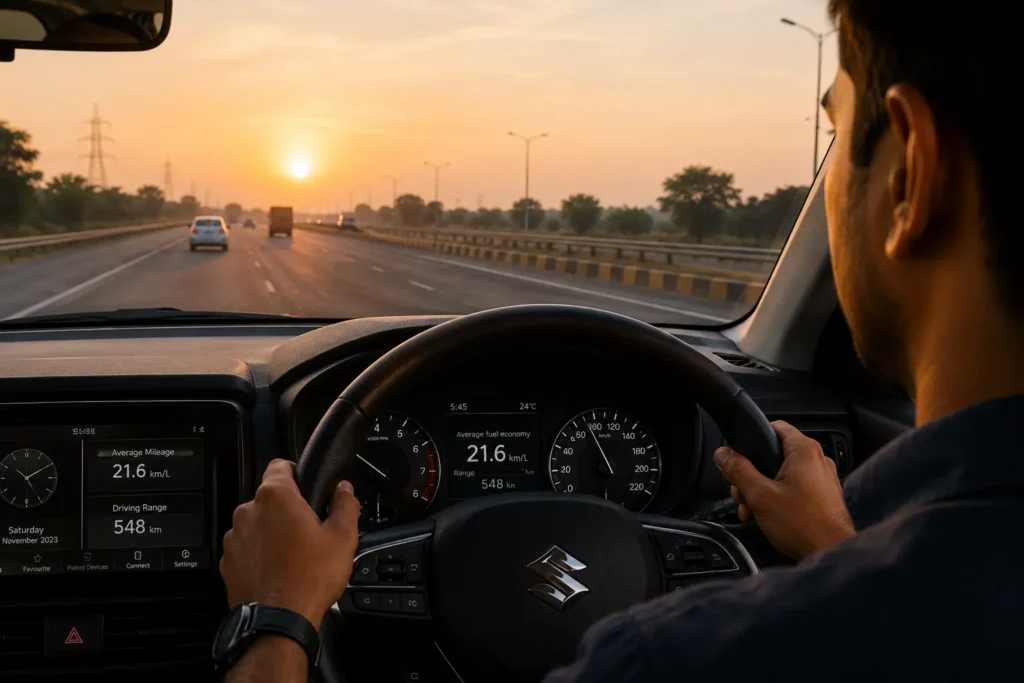
Rapid acceleration and hard braking waste fuel quickly. Smooth driving is one of the fastest ways to improve fuel economy.
Fuel-Efficient Driving Habits
- Accelerate gradually
- Maintain consistent speed
- Avoid unnecessary overtaking
- Coast toward red lights when possible
- Keep RPM between 1,500–2,500
Highway vs City Driving
Aggressive driving can reduce mileage by:
- 15% on highways
- 5–10% in city traffic
Reduce Excess Weight in Your Car
Extra weight forces your engine to burn more fuel. Even unnecessary luggage in your boot affects efficiency.
Hidden Weight Problems
Common fuel-wasting items include:
- Heavy tool kits
- Sports equipment
- Unused roof carriers
- Water cans
- Excess luggage
Why Roof Carriers Hurt Mileage
Roof racks increase:
- Aerodynamic drag
- Highway fuel consumption
- Wind resistance
Service Your Car Regularly
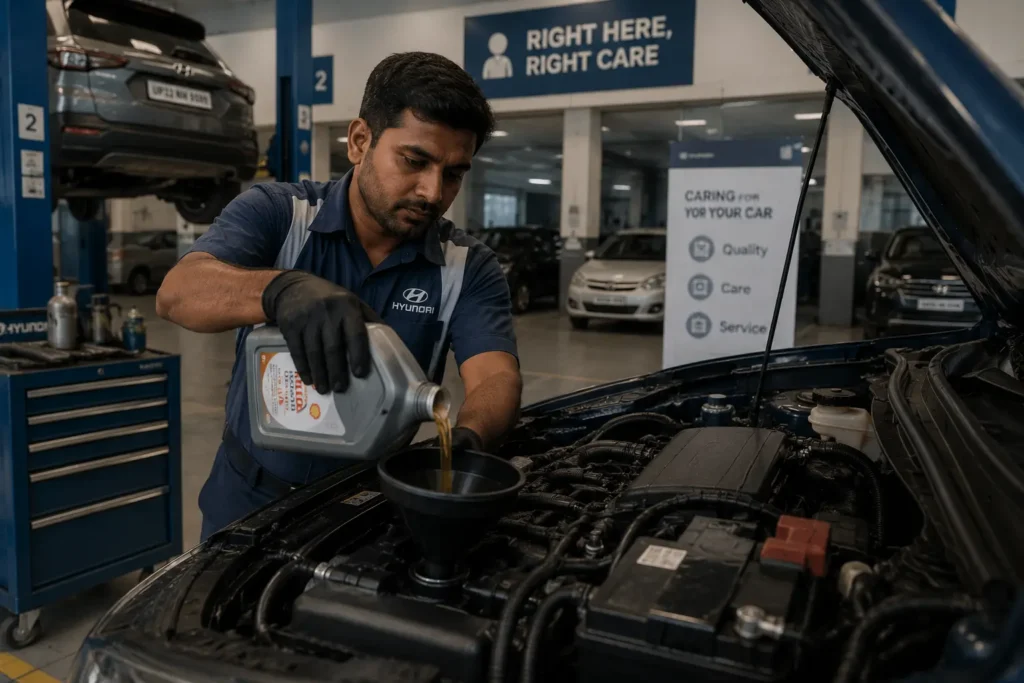
A well-maintained car consumes less fuel because the engine operates more efficiently.
Important Maintenance Areas
Air Filters
Dirty air filters restrict airflow and reduce combustion efficiency.
Engine Oil
Using the correct engine oil reduces internal friction.
Wheel Alignment
Poor alignment increases rolling resistance.
Spark Plugs
Faulty spark plugs reduce fuel combustion efficiency.
Expert Insight
“Most mileage-related problems in Indian cars are caused by delayed maintenance and aggressive city driving—not engine design. Simple maintenance routines can significantly improve fuel economy over time.”
Avoid Excessive Idling
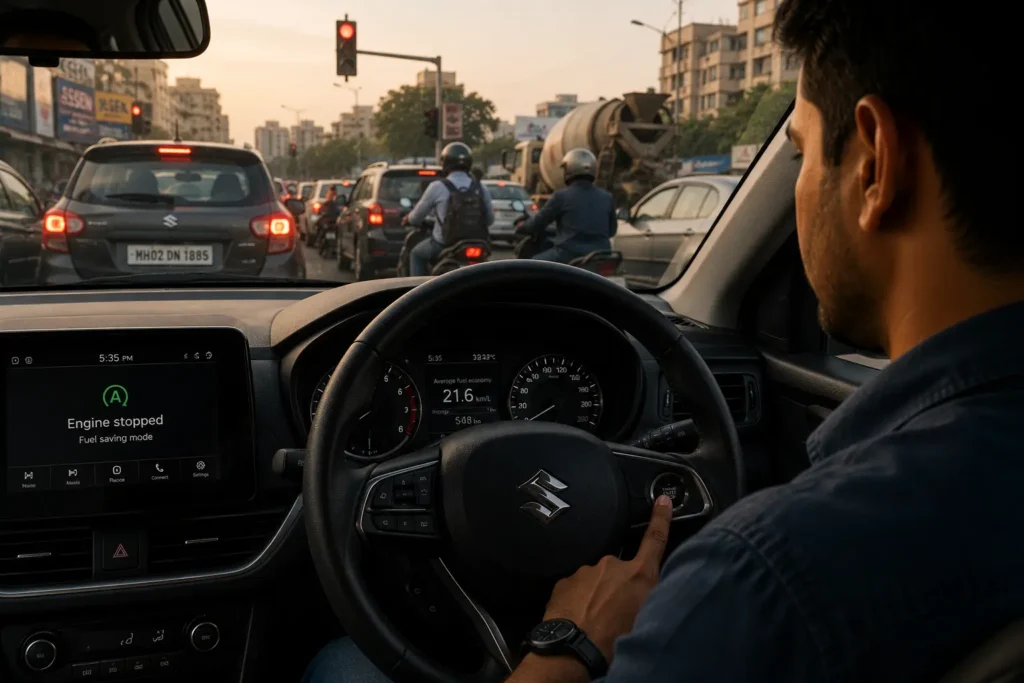
Idling burns fuel without moving the vehicle. In heavy Indian traffic, excessive idling can quietly increase fuel expenses.
When to Switch Off the Engine
If you stop for:
- more than 10–20 seconds,
- switching off the engine is usually more fuel-efficient.
Common Fuel-Wasting Situations
- Long traffic signals
- Waiting with AC on
- School pickup lines
- Railway crossings
Important Note
Modern cars do not require long warm-up periods before driving.
Use the Right Gear and Driving Speed
Driving at the wrong speed or gear forces the engine to consume extra fuel unnecessarily.
Best Mileage Speed Range
For most Indian cars:
- 60–80 km/h delivers optimal fuel efficiency
- Very high speeds sharply increase fuel consumption
Smart Gear Habits
- Shift gears smoothly
- Avoid over-revving
- Use higher gears whenever possible without straining the engine
Plan Routes and Avoid Traffic
Traffic congestion causes repeated acceleration and braking, which significantly reduces mileage.
Smart Route Planning Tips
- Use navigation apps before driving
- Avoid peak-hour traffic
- Combine multiple errands into one trip
- Choose smoother roads over shorter congested routes
Why Short Trips Waste Fuel
Cold engines consume more fuel before reaching optimal operating temperature.
Real Fuel Savings Example for Indian Drivers
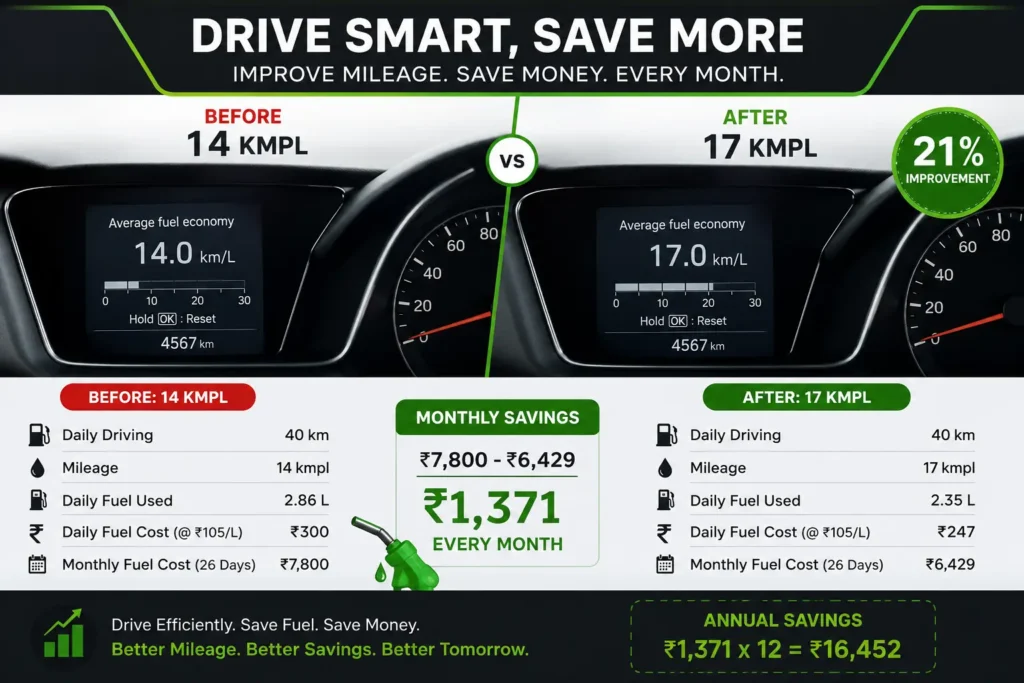
Here’s a practical example for a petrol hatchback owner driving 1,000 km monthly.
| Feature | Before Habits | After Smart Habits |
|---|---|---|
| Average Mileage | 14 km/l | 17 km/l |
| Monthly Fuel Use | 71.4 L | 58.8 L |
| Monthly Fuel Cost (@ ₹105/L) | ₹7,497 | ₹6,174 |
| Monthly Savings | — | ₹1,323 |
Annual Savings
Improving mileage from 14 km/l to 17 km/l can save:
- nearly ₹16,000 per year without changing your car.
Fuel savings become even more important when you consider the broader long-term expenses of owning a vehicle. Here’s a detailed breakdown of the true cost of owning a car beyond EMI, including maintenance, depreciation, insurance, and hidden monthly expenses.
Check out: Fuel cost calculator
Common Mileage Mistakes Drivers Make
Many drivers unknowingly waste fuel through poor habits and delayed maintenance.
Biggest Fuel-Wasting Mistakes
- Driving aggressively
- Riding the clutch in traffic
- Ignoring tire pressure
- Delaying servicing
- Overusing AC in traffic
- Using low-quality fuel
- Ignoring warning lights
Can These Tips Really Improve Mileage by 20%?
Yes—but results depend on your current driving habits and vehicle condition.
Realistic Expectations
You may see:
- 15–25% gains if current habits are poor
- 5–10% gains if you already drive efficiently
Biggest Improvement Areas
The highest fuel savings usually come from:
- smoother acceleration
- avoiding idling
- regular servicing
- proper tire pressure
Common Questions About Fuel Efficiency
-
How can I improve my car mileage quickly?
The fastest improvements come from maintaining tire pressure, driving smoothly, and reducing unnecessary idling.
-
Does AC reduce fuel efficiency?
Yes. In heavy traffic, AC usage can reduce mileage by 10–20%.
Fuel efficiency also varies significantly depending on your vehicle type and engine choice. If you’re planning a new purchase, check this detailed diesel vs petrol cars financial comparison to understand which fuel type makes better financial sense in 2026. -
What speed gives the best mileage?
Most Indian cars achieve best efficiency between 60–80 km/h.
-
Does tire pressure really affect fuel economy?
Absolutely. Low tire pressure increases rolling resistance and fuel consumption.
-
Can servicing improve mileage?
Yes. Regular servicing improves engine efficiency and reduces fuel waste.
Simple Habits That Save Fuel Every Day
- Check tire pressure regularly
- Accelerate gently
- Avoid carrying unnecessary weight
- Turn off engine during long stops
- Service your car on schedule
- Plan routes in advance
What You Should Remember About Fuel Efficiency
- Smooth driving saves more fuel than aggressive acceleration
- Proper tire pressure improves both mileage and safety
- Delayed maintenance quietly reduces fuel economy
- Heavy traffic and idling are major fuel wasters
- Small driving changes can save thousands annually
Making Fuel-Saving Habits Work Long-Term
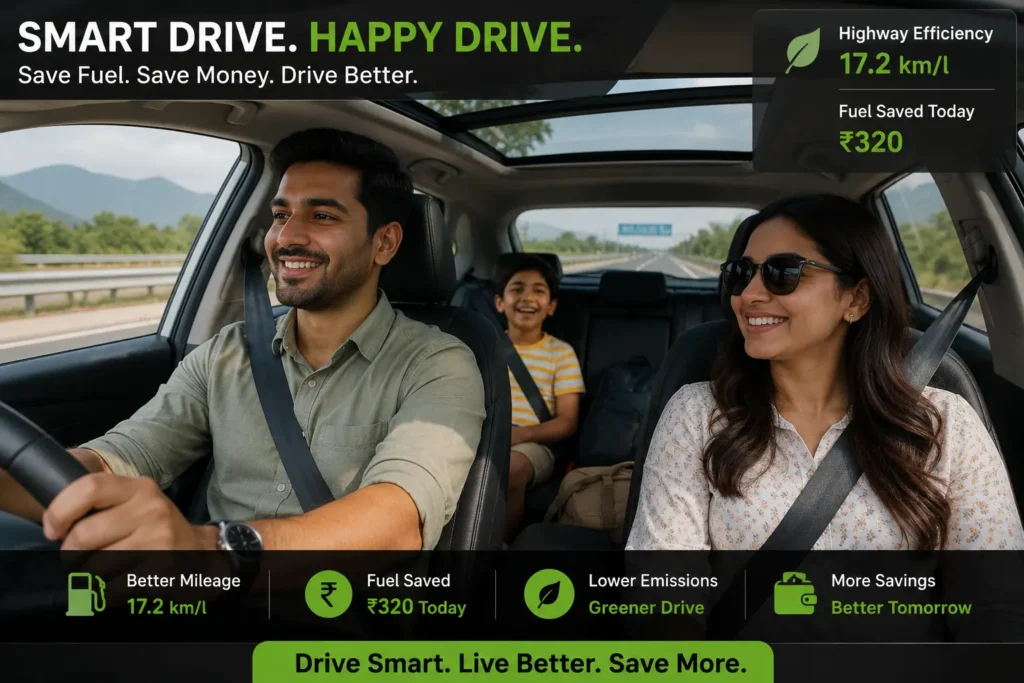
Many car owners focus only on fuel savings while ignoring other hidden ownership expenses like depreciation, insurance renewals, servicing, and loan interest. Understanding the actual cost of car ownership in India helps create a more realistic long-term budget.
Improving fuel efficiency isn’t about one dramatic change, it’s about consistent habits. In Indian driving conditions, smoother driving, better route planning, and timely servicing can noticeably reduce your monthly fuel expenses while keeping your car healthier for years.
Helpful Resources
- IndianOil Fuel Advice
- Maruti Suzuki Driving Tips
- Hyundai India Car Care Guide
- Tata Motors Service Tips
Also Read: Your Car Is Costing You More Than You Think (Here’s the Real Math)