
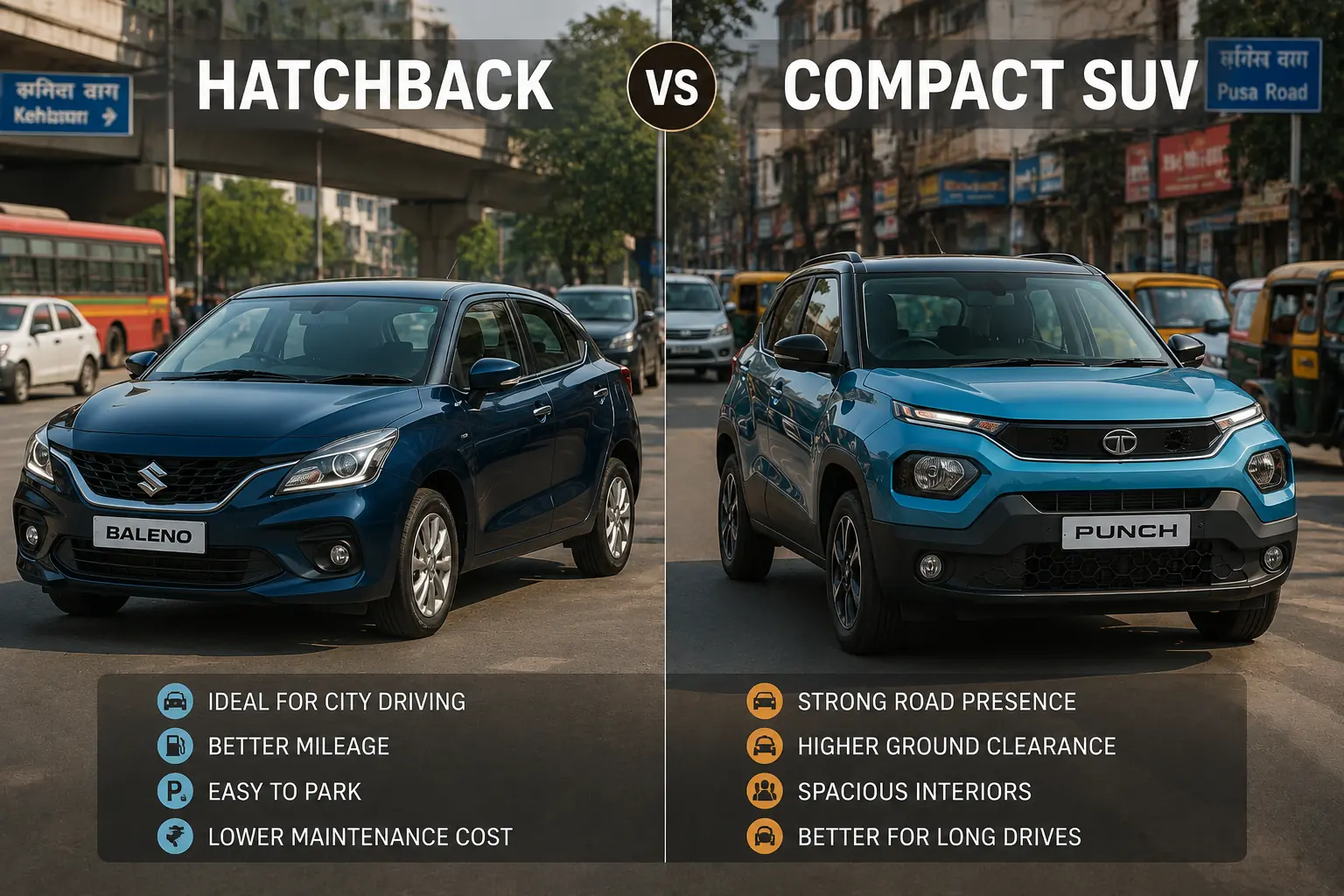
Under ₹10 lakh in India, hatchbacks generally offer better value for money due to higher mileage, lower maintenance, and easier city driving. However, compact SUVs justify their higher cost with better ground clearance, road presence, and comfort on bad roads. Your choice depends on whether you prioritize savings or practicality.
If your priority is fuel efficiency, lower maintenance, and stress-free city driving, a premium hatchback makes more sense under ₹10 lakh. But if you regularly drive on broken roads, want higher ground clearance, and prefer a more commanding driving position, a compact SUV is usually the better long-term choice for Indian conditions.
Hatchback vs Compact SUV Under ₹10 Lakh: Which Should You Buy in 2026?
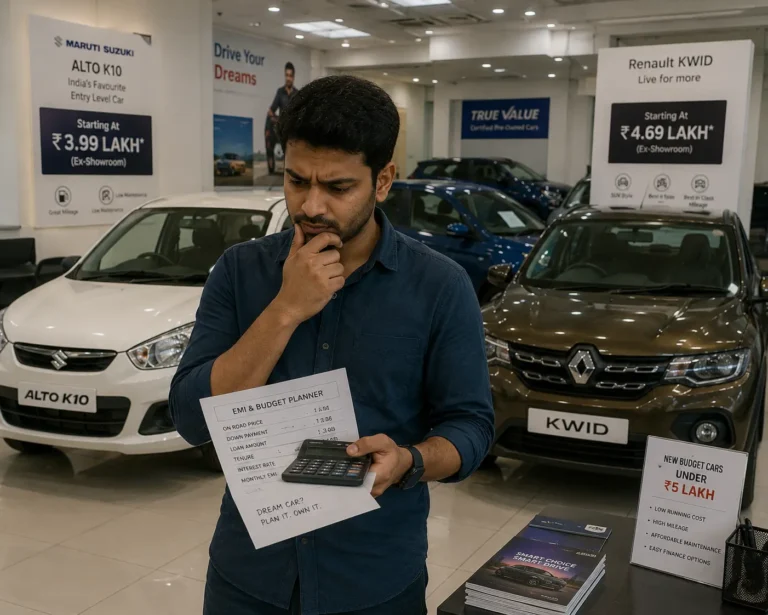
If you walked into a car showroom in India today with a ₹10 lakh budget, you’d likely find yourself standing between a premium hatchback and a compact SUV. It’s one of the biggest car-buying dilemmas in 2026.
Compact SUVs look tougher, sit higher, and feel more premium on Indian roads. But hatchbacks continue to deliver better mileage, easier city usability, and lower ownership costs. The right choice depends less on trends and more on your daily driving reality.
For some buyers, a hatchback saves money every single month. For others, a compact SUV solves everyday road problems that hatchbacks struggle with.
Let’s compare both properly before you spend your money.
Why Compact SUVs Became So Popular in India
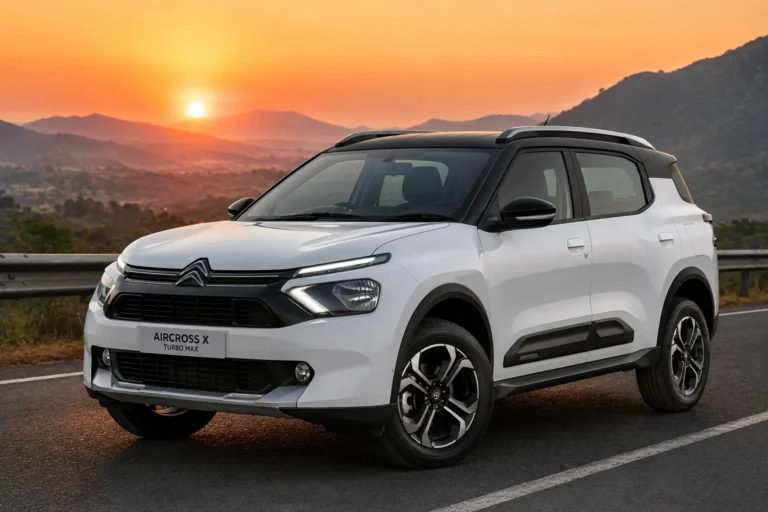
Compact SUVs exploded in popularity because they solve many practical Indian-road problems while also giving buyers a stronger “big car” feeling.
Cars like the Tata Punch, Hyundai Exter, and Nissan Magnite have changed buyer preferences dramatically.
Why Compact SUVs Feel More Premium (But Cost More)
Compact SUVs like Nexon or Punch offer:
- Higher driving position and road visibility
- Better suspension for potholes and rough roads
- Stronger road presence
However, they usually come with:
- Lower mileage compared to hatchbacks
- Higher tyre and service costs
- Slightly higher insurance premiums
📌 Understand fuel efficiency differences:
👉 Increase Car Fuel Efficiency Tips India
For many Indian families, SUVs now feel like an “upgrade” from hatchbacks even when cabin space differences are small.
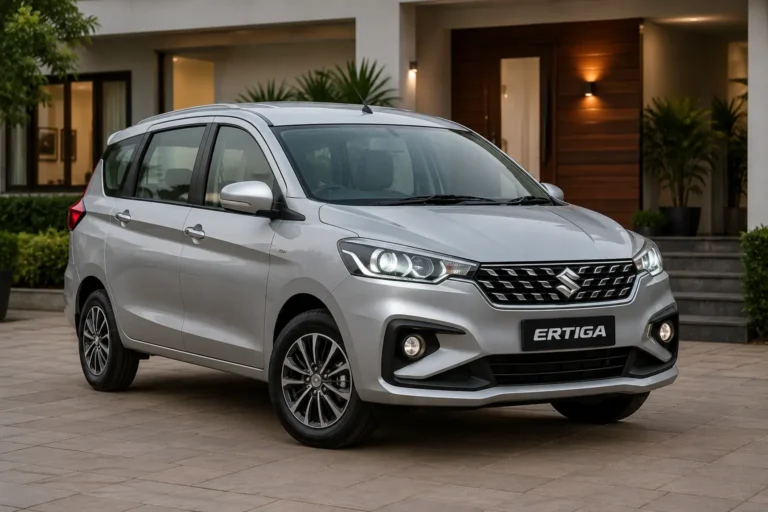
Why Hatchbacks Are Still the Best Value Under ₹10 Lakh
Hatchbacks like the Baleno or i20 remain strong value picks because they are:
- More fuel-efficient in city traffic
- Cheaper to maintain and insure
- Easier to park in tight urban spaces
📌 Read more about ownership costs:
👉 Cost of Car Ownership in India Beyond EMI
Where hatchbacks save money
- Better fuel efficiency
- Lower tire replacement cost
- Lower insurance premiums
- Easier parking in crowded cities
- Lower servicing expenses
- Better maneuverability in traffic
If your driving is mostly inside cities like Delhi, Mumbai, Pune, or Bengaluru, hatchbacks often feel easier to live with daily.
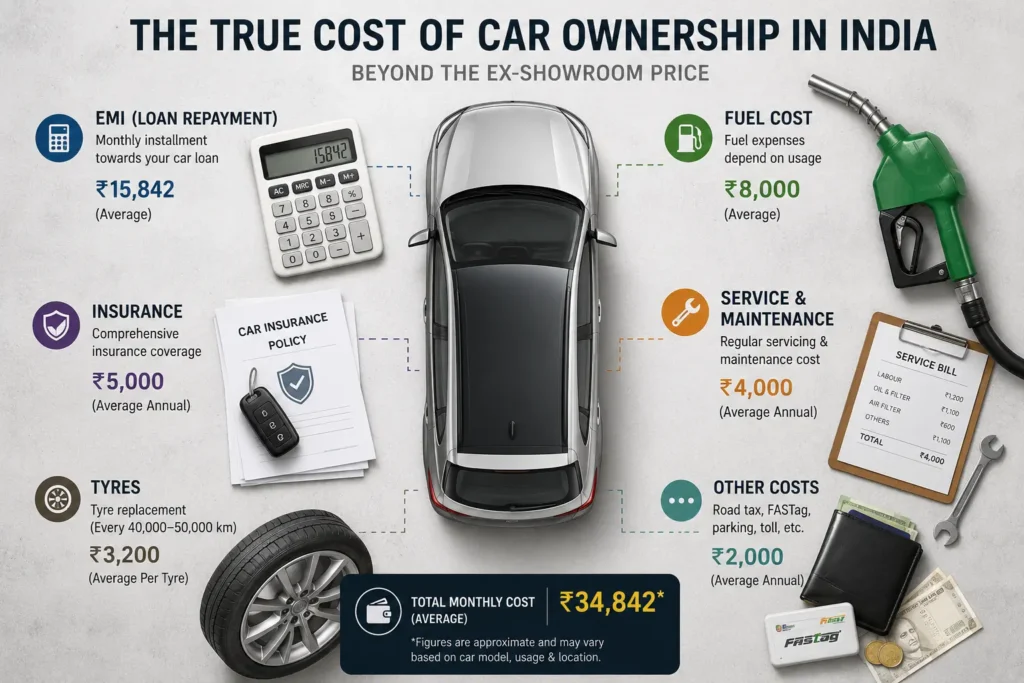
You can also explore the full breakdown of true monthly car ownership costs beyond EMI before choosing between segments.
Space and Comfort Comparison
Many buyers assume compact SUVs automatically offer much more cabin space. In reality, that’s not always true.
Premium hatchbacks like the Baleno and i20 often provide surprisingly good rear-seat comfort and cabin width.
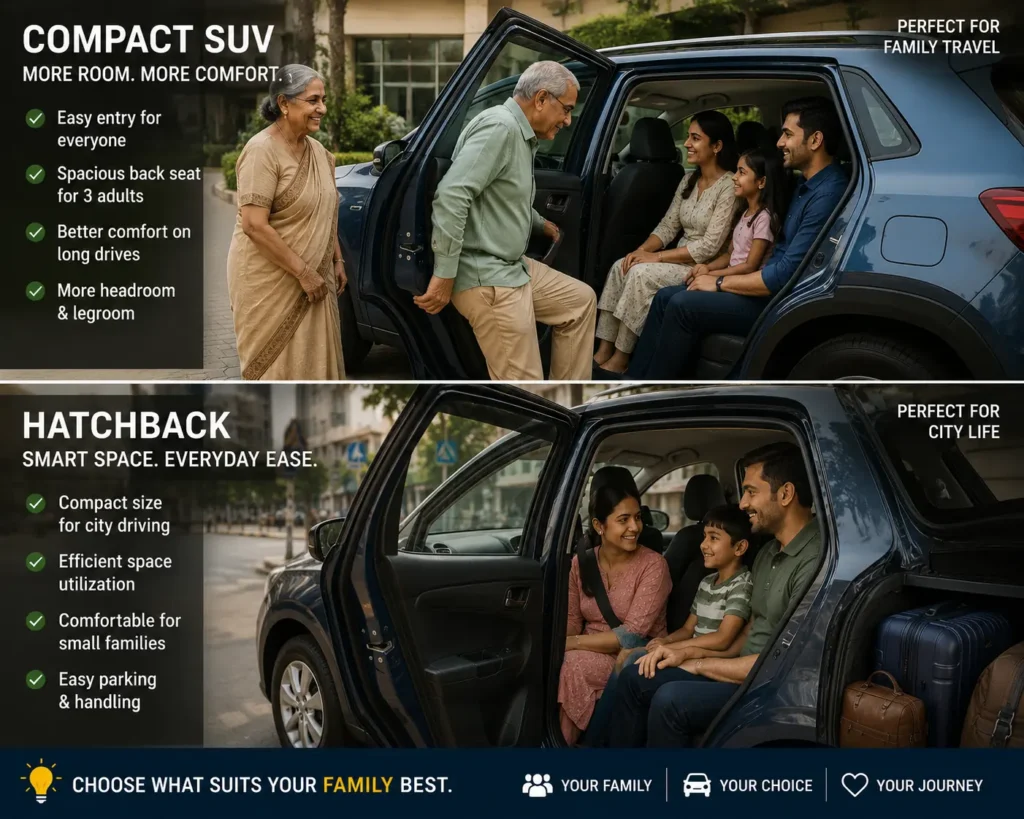
Compact SUVs are better for:
- Higher seating comfort
- Easier entry for older passengers
- Better visibility
- Slightly larger boot space
- Rough-road confidence
Hatchbacks are better for:
- Easier parking
- Lower loading height
- Better city maneuverability
- More stable handling feel in some cases
If your family frequently travels with luggage or elderly passengers, compact SUVs usually feel more comfortable overall.
Mileage and Running Cost Comparison
Mileage remains one of the biggest deciding factors under ₹10 lakh because fuel prices in India continue to stay high.
| Factor | Premium Hatchback | Compact SUV |
|---|---|---|
| City Mileage | Higher | Moderate |
| Highway Mileage | Very Good | Good |
| Tire Cost | Lower | Higher |
| Fuel Efficiency | Better | Slightly lower |
| Maintenance Cost | Lower | Moderate |
| Parking Ease | Easier | Harder |
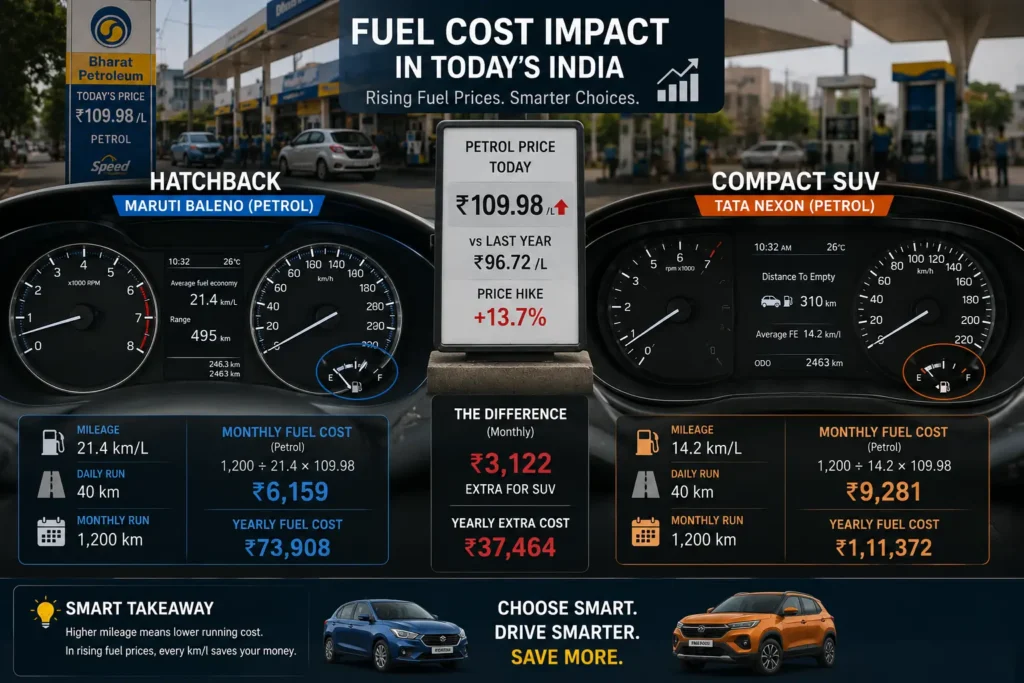
Why hatchbacks give better mileage
Hatchbacks are:
- lighter
- more aerodynamic
- easier to accelerate
- less demanding on tires and brakes
This directly reduces fuel consumption.
If you’re comparing real-world efficiency, check this detailed guide on ARAI mileage vs real-world mileage differences.
Real-World Mileage Impact: The Hidden Cost Gap
In real Indian driving conditions:
- Hatchbacks → Better real mileage efficiency
- Compact SUVs → 10–25% higher fuel consumption
📌 Learn why real mileage differs from claims:
👉 ARAI Mileage vs Real Mileage India
Which Is Better for Indian City Driving?
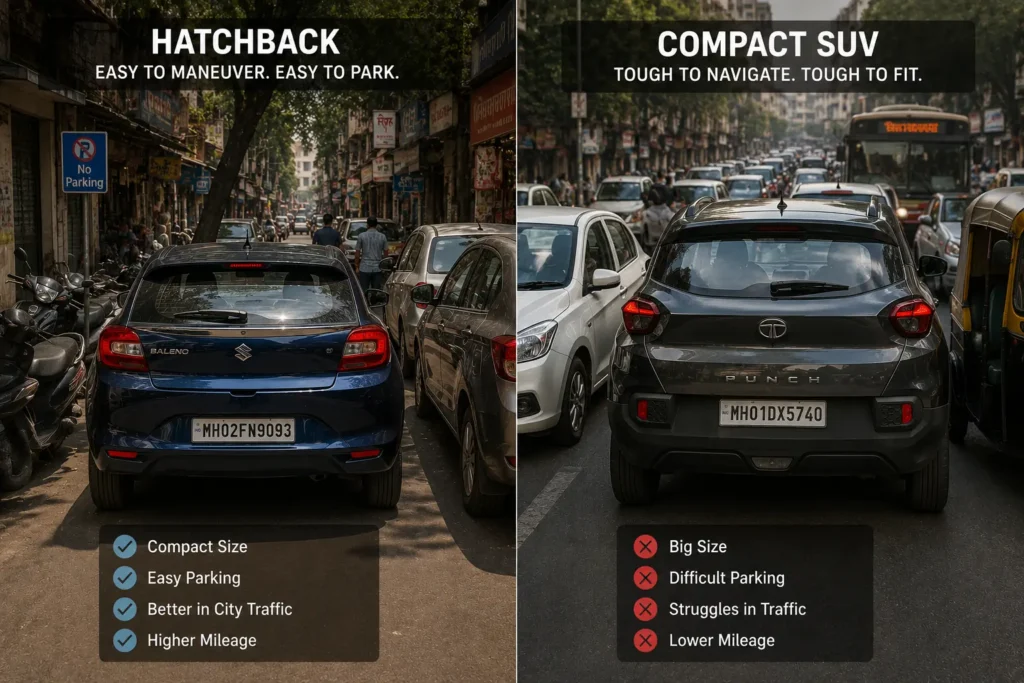
For dense urban traffic, hatchbacks still dominate practicality.
Why hatchbacks work better in cities
- Smaller turning radius
- Easier parallel parking
- Better traffic maneuverability
- Lower clutch fatigue
- Better fuel efficiency in stop-go traffic
In crowded areas where parking space is limited, hatchbacks simply reduce daily driving stress.
However, compact SUVs feel more comfortable over bad roads, flooded streets, and broken speed breakers commonly found in Indian cities.
Safety Comparison: Hatchback vs Compact SUV
Many buyers believe SUVs are automatically safer because they look larger. That assumption is misleading.
Crash-test ratings matter far more than body style.
Important reality check
A 5-star hatchback can easily be safer than a poorly rated SUV.
Strong safety options under ₹10 lakh
- Tata Altroz
- Tata Punch
- Hyundai Exter
- New Maruti Dzire
Modern hatchbacks now offer:
- 6 airbags
- ESC
- hill-hold assist
- rear cameras
- stronger crash structures
Always prioritize safety ratings instead of just size.
Highway Comfort and Long-Distance Driving
Compact SUVs genuinely feel more relaxed on long-distance drives.
SUVs perform better for:
- bad highways
- village roads
- luggage carrying
- rough-road suspension comfort
- higher seating confidence
Hatchbacks perform better for:
- stable handling
- smoother high-speed cornering
- quieter city refinement
- lower fuel spending
If your driving regularly includes highway trips with family luggage, compact SUVs usually feel more versatile.
Maintenance and Ownership Costs Over 5 Years
The purchase price is only one part of ownership. Running costs matter far more long term.
Compact SUVs usually cost more because of:
- larger tires
- higher fuel consumption
- higher insurance premiums
- slightly more expensive servicing
Hatchbacks remain cheaper because of:
- lighter components
- better mileage
- lower spare-part cost
- smaller tire sizes
Before buying, it’s smart to compare the hidden expenses of owning a car in India.
Real Ownership Example: Baleno vs Punch
Let’s compare practical running costs for a buyer driving 1,000 km monthly.
Long-Term Ownership Cost Difference (Important Insight)
Over 5 years:
- Hatchbacks save money on fuel + maintenance
- SUVs may cost more but offer lifestyle comfort
📌 Full financial breakdown:
👉 True Cost of Car Ownership Hidden Expenses India
Maruti Baleno
- Average mileage: 20 kmpl
- Monthly fuel use: ~50L
- Estimated monthly fuel cost: ~₹5,250
Tata Punch
- Average mileage: 15 kmpl
- Monthly fuel use: ~66L
- Estimated monthly fuel cost: ~₹6,930
The long-term difference
The SUV may cost nearly ₹20,000 more annually in fuel alone.
Over 5 years, that gap can exceed ₹1 lakh.
That’s why segment choice impacts long-term ownership cost significantly.
Who Should Buy a Hatchback?
A hatchback makes more sense if you are:
- a first-time buyer
- a city commuter
- looking for maximum mileage
- focused on low maintenance
- driving mostly in urban traffic
- prioritizing easier parking
Premium hatchbacks remain the smartest choice for practical urban ownership.
Who Should Buy a Compact SUV?
A compact SUV is better if you:
- frequently drive on bad roads
- travel with family regularly
- want better ground clearance
- need easier ingress for elderly passengers
- prefer stronger road presence
- do frequent highway trips
For mixed city + highway usage, compact SUVs often feel more versatile overall.
Common Mistakes Buyers Make
Buying SUVs only for “status”
Many buyers overspend on SUVs despite mostly city usage.
Ignoring fuel cost differences
Even a 3–4 kmpl mileage difference becomes expensive long term.
Stretching the EMI budget
Higher EMIs increase overall financial stress.
You should also compare how your CIBIL score affects car loan approval and interest rates before increasing your budget unnecessarily.
Ignoring real driving conditions
Road quality, parking space, family size, and daily running matter more than social trends.
Financing Reality: EMI Doesn’t Tell the Full Story
Even if EMI is similar, loan eligibility and interest rate affect total cost:
- Strong credit score → lower EMI burden
- Weak score → higher total loan cost
📌 Check impact on loans:
👉 How CIBIL Score Affects Auto Loan Approval India
Frequently Asked Questions
Which is better under ₹10 lakh: hatchback or compact SUV?
Hatchbacks are better for city driving and mileage, while compact SUVs are better for rough roads and family travel.
Are compact SUVs safer than hatchbacks?
Not always. Safety depends on crash-test ratings and build quality, not just vehicle size.
Which gives better mileage: SUV or hatchback?
Hatchbacks generally deliver better mileage because they are lighter and more aerodynamic.
Which has lower maintenance costs?
Hatchbacks usually cost less to maintain because of cheaper tires, better fuel efficiency, and lower insurance premiums.
Which is better for Indian roads?
Compact SUVs handle potholes and rough roads more comfortably due to higher ground clearance.
Should first-time buyers choose hatchbacks or SUVs?
For most first-time buyers, hatchbacks remain easier to drive, cheaper to maintain, and more practical in cities.
What Most Buyers Should Prioritize
There is no universal winner between hatchbacks and compact SUVs.
Choose a hatchback if:
- your driving is mostly urban
- mileage matters most
- parking is difficult
- you want lower monthly expenses
Choose a compact SUV if:
- roads around you are poor
- family comfort matters more
- you travel frequently
- you prefer a higher driving position
The smartest choice is not the trendiest vehicle, it’s the one that fits your daily driving reality, fuel budget, and long-term ownership comfort.
Helpful Resources
- Reserve Bank of India (RBI) — Official source for repo rates, lending rules, and banking regulations in India. (rbi.org.in)
- TransUnion CIBIL — Check your credit score and track your loan eligibility before applying for a car loan.
- SBI Car Loans — View latest interest rates, eligibility criteria, and loan offers from State Bank of India.
- HDFC Bank Car Loans — Explore car loan options, EMIs, and financing plans from HDFC Bank.
- ICICI Bank Car Loans — Compare new and used car loan offers along with repayment options.
- Policybazaar Car Insurance — Compare insurance plans, premiums, and add-on coverage options in one place.
- Acko Car Insurance — Get quick online quotes and renewal estimates for car insurance.
- AutomotiveZone Mileage Cost Calculator — Estimate real fuel costs based on your driving mileage.
- AutomotiveZone Monthly Car Expense Calculator — Calculate total monthly car ownership cost including EMI, fuel, and maintenance.
Disclaimer: Prices, mileage, safety ratings, loan rates, and ownership costs are approximate and may vary by location, variant, and market conditions in 2026. Some visuals may be AI-generated for illustration. Please verify final details with authorized dealers before purchase.